It has been a huge experience creating another course to add to the online courses offered by the Medicinal Forest Garden Trust. I have tried to keep a similar structure to previous courses but with some enhancements! I really wanted to find ways to explain the amazing possibilities with trees, a sustainable source of medicinal plant materials to improve our lives. So far, and thanks to the wonderful student testers helping check out the whole curriculum, it sounds like this course will both fascinate and challenge anyone interested in trees and health.
Finding the trees
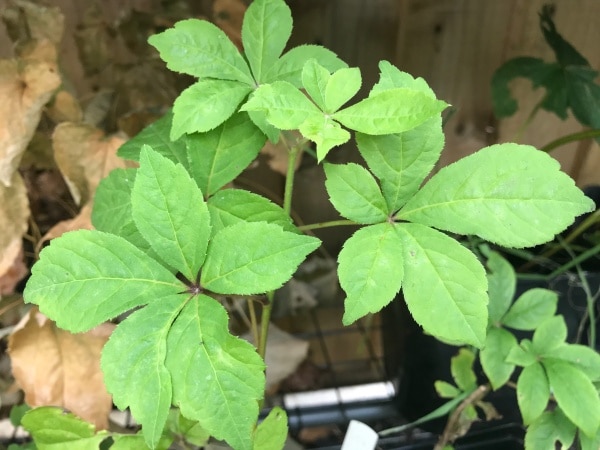
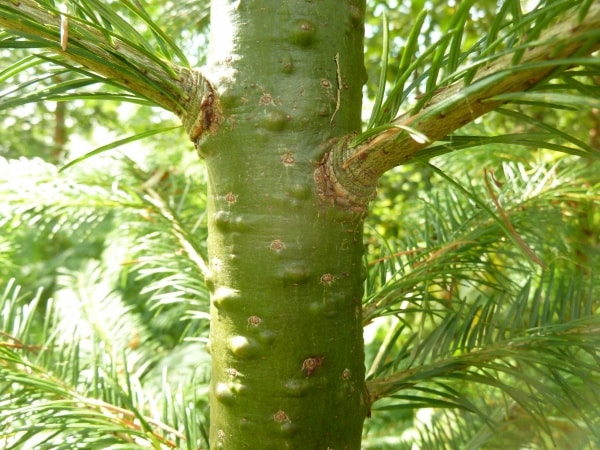
Of course the main attraction in the new course is the medicinal trees. I deliberately chose to highlight trees and shrubs like Siberian ginseng which are slightly out of the mainstream – partly because many of the more common trees are covered in our other courses on design and harvesting. But this also illustrates that there are a lot more potential resources if we are open to exploring the range of both native and introduced trees. Finding the trees proved a challenge in some cases. Conifer trees can be difficult to tell apart so locating an Italian cypress meant going to our local garden centre. We staggered home clutching a beautiful specimen almost the same size as me!
The importance of herbal actions
The course lessons are structured around key herbal actions from anti-inflammatories and astringents to sedatives and tonics. So, a wide range of ailments are mentioned, albeit briefly, with suggestions for use. Helping people to understand the possibilities as well as the safe use of medicinal trees and shrubs is a major part of the course. For some the possibilities can be quite unexpected. Already I have had one student expressing surprise on ‘Realising the medicinal benefits of trees and shrubs that I already have in the garden!’

Getting the text and video together
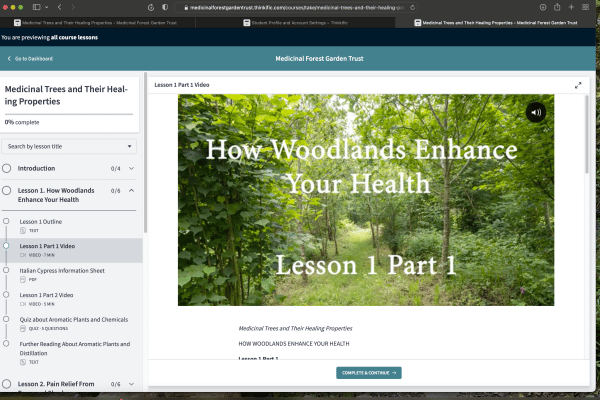
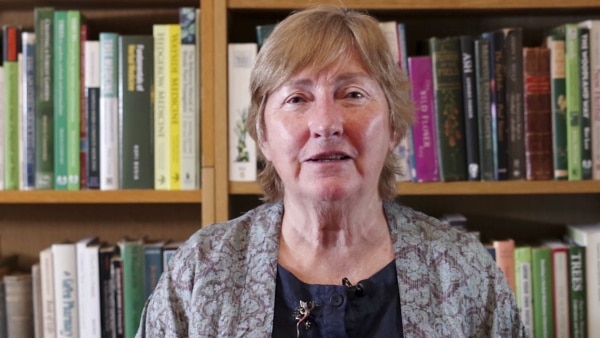
My thanks to Kay of Studio4art for helping me to make the course possible for the Medicinal Forest Garden Trust. It was quite a task pulling together all of the information, and writing it in a script that would work for the video recordings. I discovered a very useful app called Teleprompter which played back the script. The speed of the rolling script could be altered, and in some of the videos I can definitely detect I am talking ‘slooooowwwwer’! And much of the recording was done during the heatwave so you can see me looking rather uncomfortably hot on occasion. Fortunately Kay who did the recording and editing kept her cool! For me the best bits of the text writing were the quizzes – these were such fun to do, and hopefully will give a bit of light relief.
Images of bark, buds, flowers, fruit and leaves
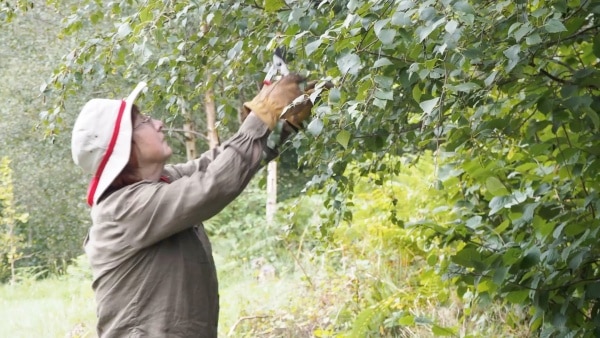
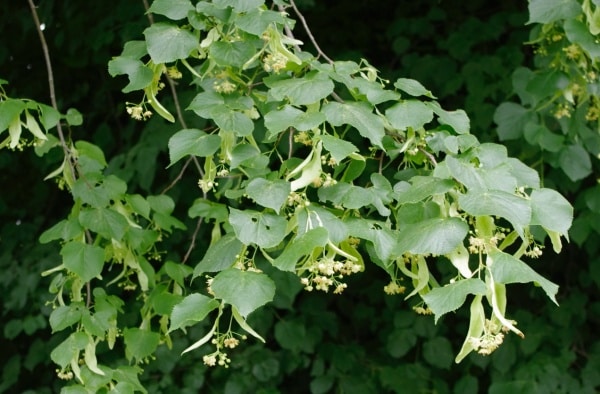
All of these tree parts can be harvested, and our task was to try and get pictures to help support the text. So we had some dicey seasonal timing to work with. Of course, bark is fairly easy to photograph all year around, but buds are tough to catch just before opening! You cannot always predict when trees will flower, indeed the lime flowers come surprisingly late in June. And it was not hard to find unripe fruits though quite often the birds quickly took any ripe ones.
All about sustainability
As well as talking about the all-important constituents of trees that give aroma and herbal actions I wanted to explain how trees are faring in the current crisis of climate and habitat change. Quite a few of the lessons pick up on the importance of trees for environment and biodiversity. And there are points about how we can all help to select more sustainable herbal supplies. As interest grows in forest bathing and foraging in woodlands I am sure that people will be appreciating the vital contribution of trees more and more.
Some extras for the course
Like the other courses the Medicinal Trees and Their Healing Properties course can be started any time, and enrolment (cost is £45) lasts for 12 months so all the materials can be revisited. On this course I made sure that there is a full glossary to help explain any technical terms. When students enrol they get a listing of 39 trees and shrubs to get going with ideas for medicinal possibilities.
Online link for more info and registration
No experience is needed to appreciate this course, just an interest in trees and health. If you want to read more about the Medicinal Trees and Their Therapeutic Properties course there are details and a free preview at our Thinkific site, just click on the image below.